Strengths, Limitations, and Why a Hybrid Approach Is the Sweet Spot for Parents
If you’ve ever tried to plan a family trip… especially with kids in tow… you know it’s a blend of logistics, hope, and compromise.
Finding the perfect balance between adventure and rest, excitement and comfort, spontaneity and nap schedules? It’s practically an art form.
But now, AI-powered tools are changing the game. From itinerary builders and travel chatbots to image-based discovery tools, you can now brainstorm destinations, map routes, and find family-friendly activities faster than ever before.
Still, as any parent knows, what looks good on paper (or screen) doesn’t always translate to real life!
So before you hand over the reins to an algorithm, let’s unpack how to use AI effectively…and thoughtfully… to design your next unforgettable family trip.
The Strengths: How AI Makes Family Trip Planning Easier
AI shines when it comes to sorting through the overwhelming amount of travel information online. It can pull together data from flights, hotels, attractions, and local guides in seconds, freeing you from endless tabs and late-night Google rabbit holes.
Here’s where AI really earns its spot on your packing list:
1. Brainstorming Destinations
Not sure where to go? Ask AI for trip ideas based on your family’s interests, travel style, and season.
Prompt example:
“Suggest five family-friendly destinations within a six-hour drive from Denver that combine nature, adventure, and opportunities for toddler exploration.”
You’ll get a curated list—often with explanations and pros/cons—to help you focus your search.
2. Creating a Rough Itinerary
AI tools like ChatGPT, GuideGeek, or travel-specific platforms like Roam Around can suggest day-by-day itineraries, balancing travel time with downtime.
Prompt example:
“Create a 5-day itinerary for a family with a 3-year-old visiting Grand Teton National Park, including short hikes, scenic drives, and kid-friendly picnic spots.”
You can refine the results by specifying pace (“slow mornings”), style (“mix of nature and comfort”), or priorities (“avoid crowds,” “include hands-on learning”).
3. Finding Hidden Gems
AI excels at pattern-matching and recommendation synthesis.
Ask for activities that match your child’s interests or unique experiences along your route.
Prompt example:
“Find off-the-beaten-path experiences between Durango and Moab that toddlers would enjoy.”
Expect quirky museums, farm visits, local events, and playgrounds you might otherwise miss.
4. Optimizing Routes & Logistics
Some AI trip planners can even optimize driving routes, estimate fuel costs, and suggest rest stops. Perfect for those long road trips where snack time and bathroom breaks are serious business.
The Limitations: Where AI Still Falls Short
AI is powerful… but not omniscient. It’s great at summarizing patterns and predicting “typical” traveler preferences, but family travel is anything but typical.
Here’s where caution (and your parental intuition) comes in:
1. It Doesn’t Know Your Kid
AI doesn’t understand your toddler’s need for a daily nap, your preschooler’s obsession with trains, or your family’s tolerance for chaos.
A suggestion that looks ideal on screen might unravel after 15 minutes in real life.
2. It Can Overpromise
AI tools sometimes recommend attractions that are closed, mislabel hikes as “easy,” or confuse seasonal availability. Always double-check official park sites, local tourism boards, or recent reviews before locking in plans.
3. Lack of Emotional Context
AI can’t capture the small joys and emotional rhythms of family travel—like leaving extra time to throw rocks in a creek, or skipping a museum because everyone needs ice cream instead.
4. Privacy & Data Concerns
If you’re using AI apps linked to your accounts or location, be mindful of what information you’re sharing. Use tools that allow for anonymity or local device processing whenever possible.
The Human Touch: Why a Hybrid Approach Works Best
The best family adventures come from blending technology with intuition.
Think of AI as your enthusiastic (but slightly overconfident) travel assistant. Let it help you brainstorm, research, and organize… but you make the final calls, guided by your knowledge of your kids, your budget, and your travel rhythm.
A few ways to make this hybrid model work:
- Use AI for structure, humans for texture. Let AI draft an itinerary, then layer in your own touches: that cozy breakfast spot, the detour to see Grandma, or the spontaneous snowball fight.
- Double-check with locals. AI can summarize, but locals know. Confirm trail conditions, park hours, and dining options through direct sources or community groups.
- Build flexibility in. AI itineraries often overfill the day. For young kids, leave generous “buffer blocks” for rest or unstructured play.
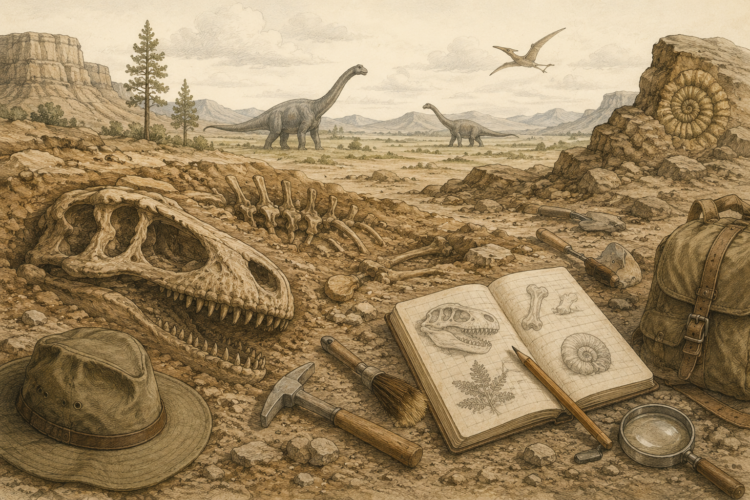
- Use AI to inspire curiosity. Show your kids AI-generated images or fun facts about your destination—it can become part of the learning journey.
Prompts to Spark Insight (and Avoid Generic Results)
The key to great AI trip planning is asking creative, specific prompts. Try phrasing your questions like these:
- “Design a one-week summer road trip from Boulder to Yellowstone for a family with a toddler who loves animals and trains.”
- “Suggest short scenic trails (under 2 miles) in southwest Colorado that have water features or playgrounds nearby.”
- “Create a camping meal plan for a 3-day trip with a picky eater with easy prep, minimal cleanup.”
- “List five indoor activity options for a rainy day in Moab for families with small kids.”
- “Help me compare staying in a cabin vs. a family hotel for a 4-night stay near Grand Canyon—include pros and cons for toddlers.”
In the End: Let AI Plan with You, Not for You
AI can be a powerful tool for simplifying family travel planning. But what it can’t do is know the heart of your family’s travel story. That’s yours alone.
The magic of family travel doesn’t come from perfectly optimized routes or trending destinations… it comes from connection, discovery, and the unexpected moments in between.
So use AI to make the logistics lighter. But let curiosity, intuition, and wonder take the lead. That’s where the real adventure begins.